
Commercial pest control services in Washington DC address rodents, bed bugs, and insects in offices, restaurants, retail stores, and industrial sites. Our commercial pest management services deliver targeted solutions, trusted by industrial pest control companies near Washington DC for long-term protection.

A safe, hygienic workplace promotes productivity. It’s also important for compliance and customer trust. We offer licensed commercial pest control services in Washington DC to help businesses prevent infestations that can disrupt operations, damage inventory, and harm reputations. In this area, the rodents, roaches, ants, and stored product insects exploit food storage areas, loading docks, and utility lines. Problem Solved delivers regulated extermination and prevention programs according to offices, restaurants, retail stores, healthcare facilities, and warehouses. Our certified staff do full assessments, find entry points, and implement suitable treatment plans.
The climate, heavy foot traffic, and other factors can create ideal conditions for infestation. The restaurants face food safety audits, property managers have to meet lease obligations, and healthcare facilities require strict sanitation standards. A minor issue can trigger health code violations, financial loss, or negative reviews. The commercial surroundings present complex challenges as compared to residential spaces. Large floor plans, shared utility systems, and continuous deliveries increase exposure risks and without proper monitoring, small indicators such as droppings or gnaw marks escalate. Professional management make sure early detection, regulatory compliance, and documented service records.

Our Commercial Rodent Control Services in Washington DC focus on population suppression, structural exclusion, and environmental modification. The technicians use tamper-resistant exterior bait stations, interior monitoring devices, and strategic snap systems that are based on traffic patterns and harborage zones. We seal utility penetrations, dock plate gaps, vent openings, and foundation cracks with durable exclusion materials. The experts evaluate storage layouts to eliminate concealed nesting zones and recommend sanitation adjustments to remove attractants. We integrate perimeter defense strategies to intercept movement before entry occurs.
The modern office spaces need discreet, low-impact solutions that keep a professional atmosphere. Our Office Pest Control Services in Washington DC fixes issues such as ants in breakrooms, cockroaches near plumbing voids, and occasional invaders. We conduct after-hours treatments, apply micro-targeted materials in wall voids, electrical conduits, and beneath cabinetry to avoid workspace interference. The HVAC lines, ceiling plenums, and restroom moisture zones are examined to detect hidden activity. We collaborate with property management to coordinate strategies for all floors.
Our solutions concentrate on kitchen infrastructure, storage rotation practices, grease management areas, and delivery access points. We inspect floor drains, wall-floor junctions, refrigeration seals, and ceiling voids. The targeted treatments are applied in cracks, gaps, and behind equipment using food-safe materials that align with regulatory standards. Exterior waste enclosures and loading zones receive perimeter attention to deter intrusion. We also provide guidance on dry goods storage, FIFO rotation, and cleaning protocols that reduce attractants.
The large-scale facilities demand structured oversight that accounts for machinery, raw materials, production lines, and shipping corridors. Problem Solved is one of the best industrial pest control Services in Washington DC for providing specialized solutions. The experts perform zone-based risk segmentation, separate high-sensitivity production areas from storage and transport sections. We implement pheromone monitoring for all product insects, install heavy-duty exterior defense grids, and conduct high-elevation inspections around rafters and overhead piping. Moisture mapping is completed in utility rooms to address breeding sources. If it’s about facilities under FDA, USDA, or third-party audit standards, we maintain detailed compliance binders and trend analytics.
We also offer commercial bed bug control Services in Washington DC that begins with detailed assessments with trained specialists and advanced detection tools. We identify harborages within upholstered seating, wall seams, locker rooms, and shared resting areas. Our solutions also include treatment protocols i.e. targeted heat remediation, residual applications in structural voids, and follow-up inspections to verify elimination. For hotels, office lounges, and multi-unit properties, we establish isolation procedures to stop migration between spaces.
The retail environments face constant exposure from deliveries, customer traffic, and merchandise storage. Our Retail Store Pest Control Services in Washington DC safeguards sales floors, stockrooms, display fixtures, and fitting areas from intrusive activity. Our technicians assess shelving layouts, packaging vulnerabilities, and backroom clutter that shelter insects or small mammals. We utilize quality solutions behind display walls, beneath checkout counters, and along receiving bays to intercept entry. The seasonal invaders are addressed through perimeter treatments designed for storefronts and glass entryways.

Our specialized commercial pest management Services in Washington DC are made for high-risk environments such as medical centers, government buildings, educational campuses, and food processing sites. Problem Solved develops sector-specific protocols aligned with regulatory frameworks and internal compliance policies. We incorporate environmental risk modeling, seasonal forecasting, and assessments to anticipate activity. The sensitive spaces get low-odor, low-disruption treatments, which are ideal for occupied structures.
A comprehensive property survey for concealed voids, exterior perimeters, drainage systems, and material storage zones. The experts compile findings into a corrective action plan that outlines treatment selection, exclusion enhancements, sanitation adjustments, and monitoring placement. Once approved, technicians execute the program using calibrated application methods suited to the environment. Digital tracking tools record activity levels and identify developing patterns. We schedule routine service visits based on risk classification.
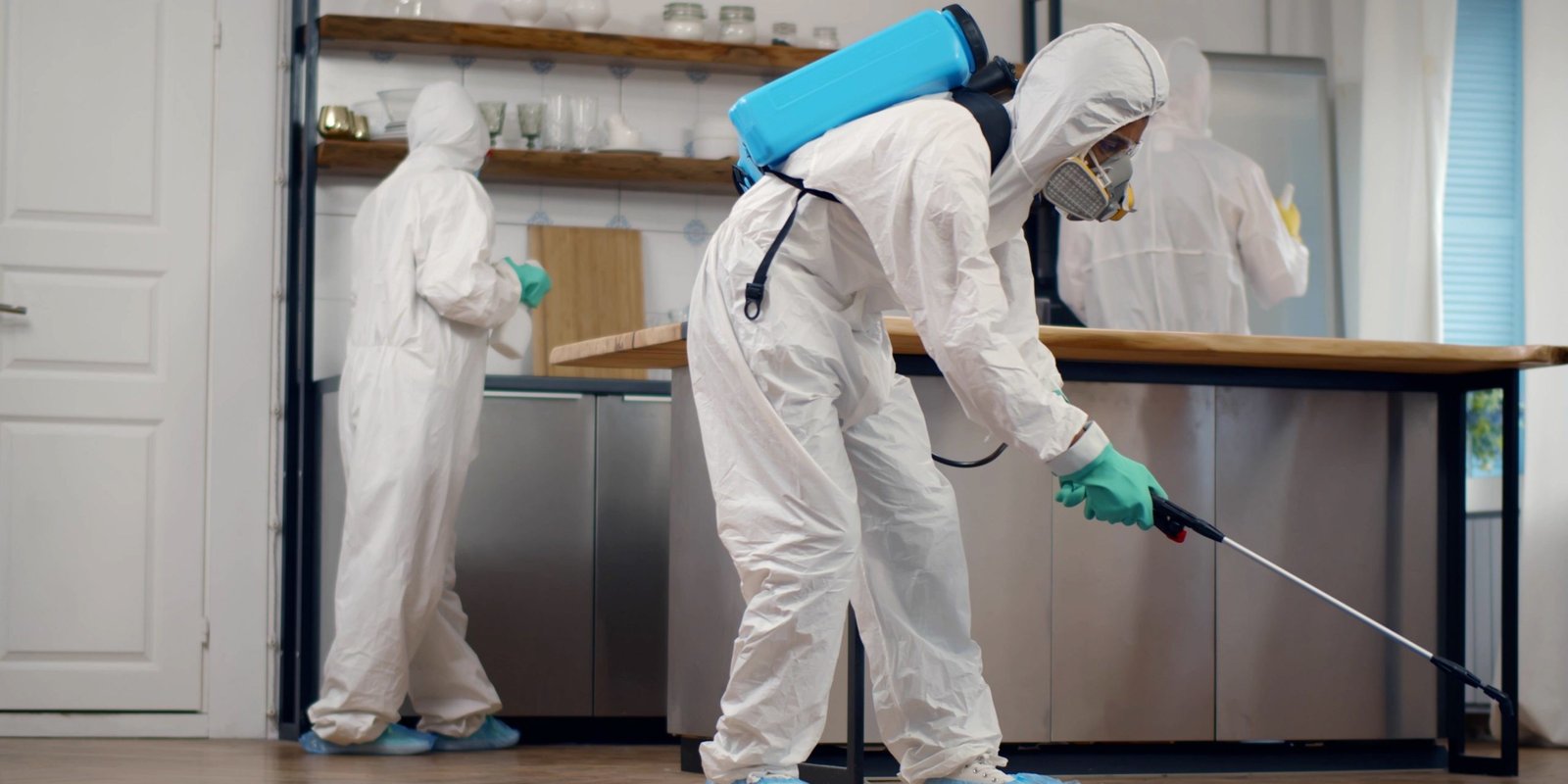
Certified technicians with advanced training in complex commercial environments.
Customized management plans aligned with industry regulations and inspection standards.
Detailed reporting systems with documented service records for compliance audits.
Rapid response capability for urgent situations across diverse property types.
Take a proactive step by arranging a detailed on-site evaluation with Problem Solved. Our crew will review your facility layout, find structural vulnerabilities, and outline practical recommendations tailored to your operation. You’ll get a clear action plan with transparent scheduling and documented findings. We work around business hours to reduce interruptions and maintain workflow continuity.
Commercial buildings often encounter rodents, cockroaches, ants, flies, stored-product insects, and occasional invaders like spiders. Warehouses face beetles or moths in packaged goods, while food establishments frequently report drain flies and German roaches due to moisture and food residue.
Inspection frequency depends on industry risk level, property size, and past activity. Restaurants and food facilities may require monthly visits, while offices or retail locations need quarterly reviews. High-traffic or high-storage sites benefit from routine monitoring year-round.
Professional programs use regulated products applied in controlled amounts by licensed technicians. Treatments are selected based on occupancy type and follow label guidelines. When applied correctly, exposure risk remains minimal, allowing normal operations to continue safely.
A plan typically includes property evaluation, identification of entry points, targeted treatment methods, monitoring placement, sanitation recommendations, documentation, and follow-up visits. Adjustments are made based on activity trends and inspection findings.
Prevention involves sealing structural gaps, managing waste properly, improving storage practices, addressing moisture issues, and maintaining routine monitoring. Staff awareness and prompt reporting of early signs also reduce the likelihood of recurring activity.